









%201.png)
#1 in AI Orthopaedic Coding

Learn from experienced professionals who understand the real-world challenges of orthopaedic coding and revenue cycle management.

Orthopaedic Surgeon
Orthopaedic Surgeon

Orthopaedic Surgeon

Orthopaedic Surgeon
Orthopaedic Surgeon
Orthopaedic Surgeon
Orthopaedic Surgeon
Orthopaedic Surgeon
Orthopaedic Surgeon
Orthopaedic Surgeon
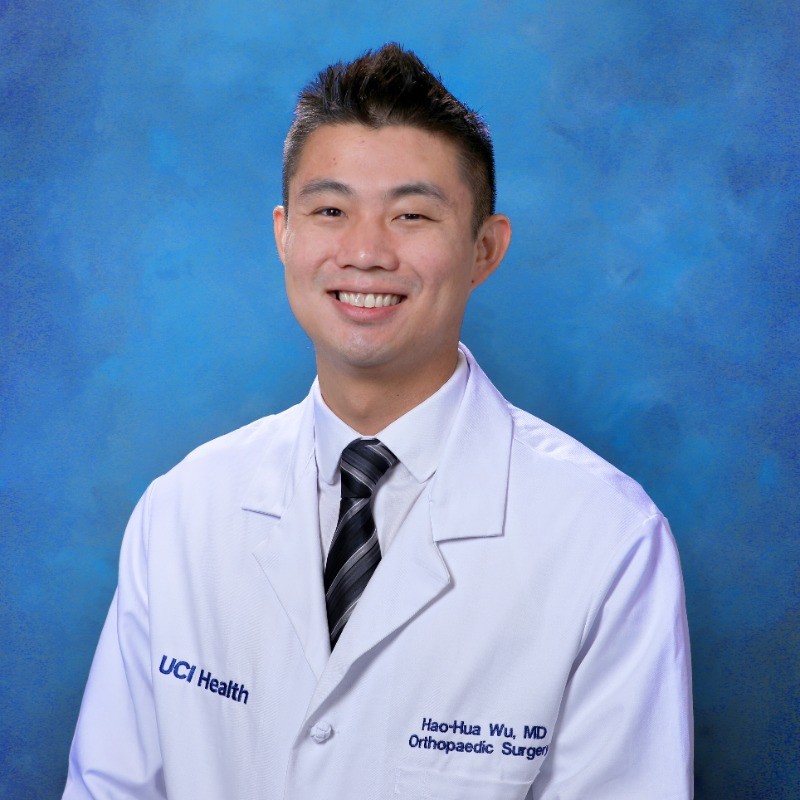
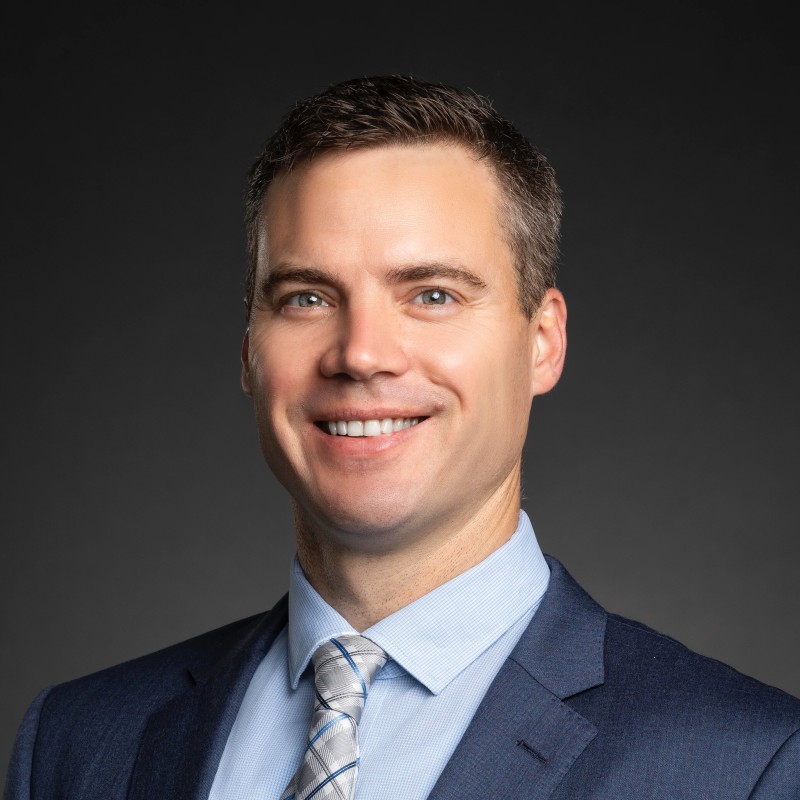
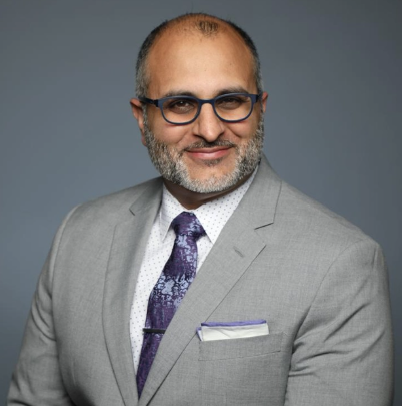
One missed modifier or bundled code can cost thousands per case. In this episode of the Maia Webinar Series, orthopaedic trauma surgeons Dr. Hassan Mir and Dr. Jan Szatkowski join host Zach Ruhl to break down why surgical coding is one of the highest-stakes, most misunderstood parts of running an orthopaedic practice—and what it takes to get it right.
The conversation opens with a little Medical Coding Mythbusting: the myth that surgeons are actually taught to code (they aren't), and the myth that salaried or employed surgeons don't need to understand it (they do). Both surgeons share how they learned coding the hard way—through denied cases, on-the-job trial and error, and in one case, discovering a contract had been shorted several thousand RVUs.
Why surgical coding means high complexity and high dollars—where small mistakes create huge financial impact.
The disconnect between surgeon intent and the final submitted code.
Missed add-on procedures, incorrect modifier usage, and bundling issues that quietly reduce reimbursement.
Why coding is never taught in residency—and what that costs early-career surgeons.
How elective and scheduled cases differ from trauma and on-call coding.
Where automation is headed: generating surgical codes from op notes, validating against payer rules before submission, and pulling in imaging to prompt surgeons with the right documentation questions in real time
Treat coding as part of the procedure—not an afterthought. Focus on documentation specificity. And use automation to drive consistency across every case.
This episode is sponsored by Maia—AI-powered autonomous medical coding and revenue cycle automation built exclusively for orthopaedic practices. Learn more at usemaia.com.


