











%201.png)
#1 in AI Orthopaedic Coding


Learn from experienced professionals who understand the real-world challenges of orthopaedic coding and revenue cycle management.

Orthopaedic Surgeon
Orthopaedic Surgeon
Orthopaedic Surgeon

Orthopaedic Surgeon

Orthopaedic Surgeon

Orthopaedic Surgeon

Orthopaedic Surgeon
Orthopaedic Surgeon
Orthopaedic Surgeon
Orthopaedic Surgeon
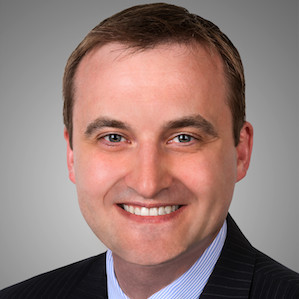
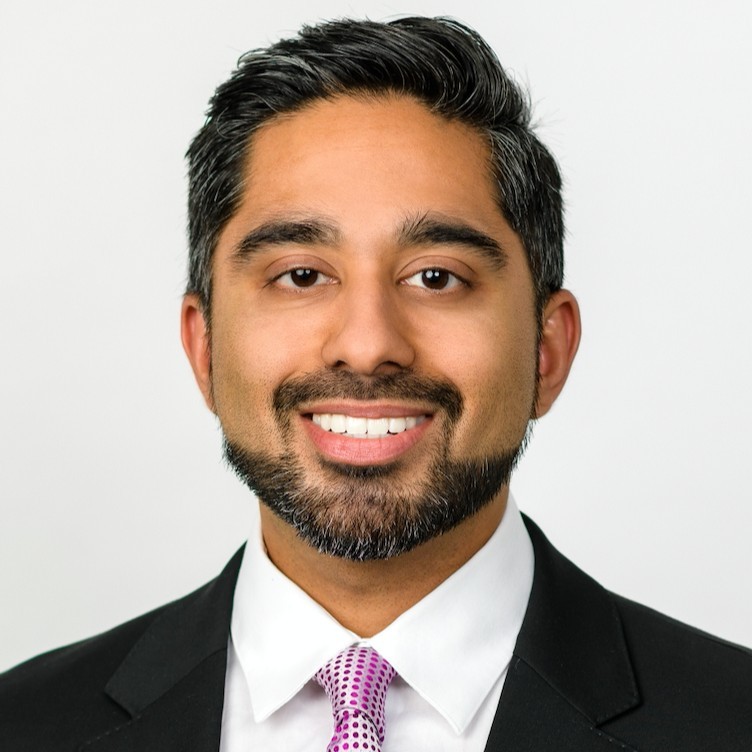
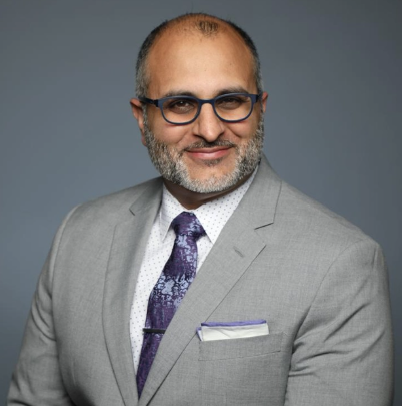
Many orthopaedic groups don't realize they're being downcoded until it's too late. In this episode of the Maia Webinar Series, Dr. Richard Yoon and Dr. Adil Ahmed join host Zach Ruhl to expose one of the most invisible forms of revenue loss in orthopaedic practices—and the mix of payer behavior and internal conservatism that drives it. The conversation gets candid about the operational reality behind downcoding: understaffed billing teams, poor communication between surgeons and coders, and infrastructure that simply isn't built to handle denials at volume. When things are that disorganized, the hardest part is often just knowing you have a problem in the first place.
Why downcoding is such an invisible source of revenue loss—payer-driven and internally driven.
How conservative internal coders quietly downgrade codes, using a real shoulder case as an example.
The prior auth "charade": partial approvals that force reimbursement only after the fact.
A peer-to-peer denial story—a shoulder replacement denied over a PT requirement despite a massive tear.
Why claims get paid at lower levels than billed, and how appeals opportunities get missed.
The staffing and communication gaps that make denials so hard to manage.
How AI can help practices perform better with less staff—without retraining every time someone leaves.
Monitor reimbursement against what you expected to be paid. Audit payer behavior for patterns. And stop defaulting to conservative coding that leaves earned revenue behind.This episode is sponsored by Maia—AI-powered autonomous medical coding and revenue cycle automation built exclusively for orthopaedic practices.


